

Contents:
Toolkits and Infographics
Autistic Burnout - Prevention and Recovery Strategies
This toolkit reflects a review of literature from various authors on the topic of autistic burnout. It conveys possibilities in moving forward..
Autistic Burnout: A Lived Experience Perspective
The term ‘autistic burnout’ refers to a condition many have experienced when facing prolonged periods of stress. A person may experience long-term exhaustion (3+ months), loss of function, and reduced tolerance to things in their environment. In this toolkit, autistic self-advocate and author Sylvère Moulanier describes the causes of autistic burnout, how to tell if you are experiencing burnout, and provides tips and strategies to support yourself and work towards feeling better. While this toolkit is written for autistic individuals, it can also be useful for those seeking to support their loved ones who are struggling with autistic burnout.
The Autistic Experience of Grief
This toolkit is Part 1 of a series that explores the unique ways that Autistic people may experience loss and grief. It describes experiences that may trigger grief and various signs of Autistic grief. Autistic contributors shared personal stories of grief along with their advice for others.
Ableism: The Autistic Experience
Ableism comprises beliefs, policies and actions that disadvantage disabled people by prioritizing the needs of the non-disabled majority. This toolkit describes ableism, and the impact of internalized ableism. Ableism must be confronted and rejected to achieve true acceptance of Autistic people.
An Introductory Overview of Some Mental Health Challenges and their ‘Co-Occurrence’ with Autism
This overview identifies selected examples of mental health challenges that may co-exist with autism, including prevalence rates. We address some key considerations related to assessment and support for autistic individuals with co-existing mental health conditions. This review includes reflection about these co-existing conditions by Dr. Ade Orimalade, a psychiatrist specializing in autism and mental health.
Videos and Webinars
Autistic Burnout Webinar
Autistic Burnout' describes periods of chronic physical and/or mental exhaustion, reduced tolerance to stressors, and can include the loss of communication and/or life skills. Join us as we bring together leading self-advocates and researchers who will share their experiences, explain the latest scientific research, and provide strategies for dealing with this distressing experience.

Masking and Mental Health Webinar
While not everyone who masks will face mental health concerns, masking, and its complexities, can place an immense toll on the mental wellbeing of autistic individuals. In this webinar, participants will gain a better understanding of the interconnectedness of masking and mental health along with strategies to support their overall mental wellbeing. This webinar is appropriate for autistic individuals, families and caregivers, and professionals serving this population.
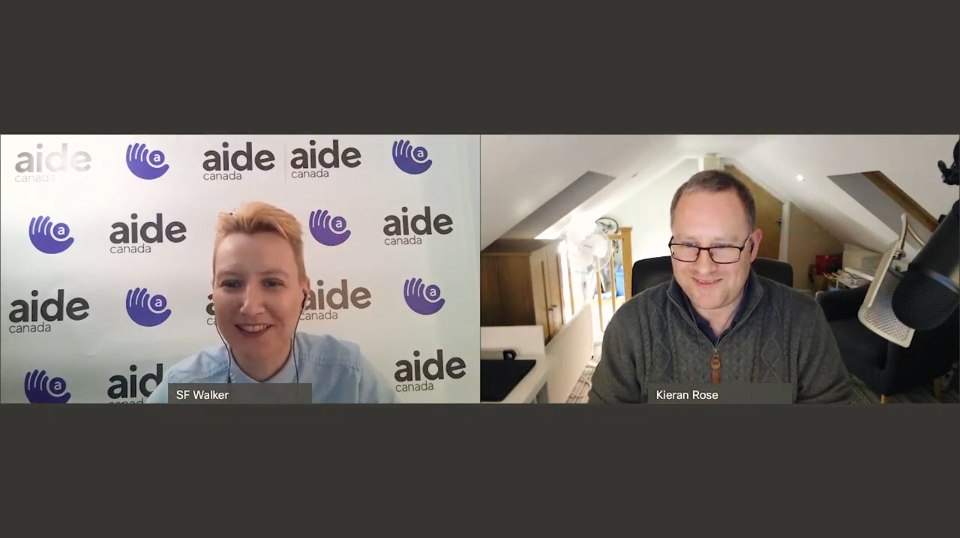
AIDE Canada starts a conversation with Kieran Rose about Masking
Kieran Rose is a well-known author and international public speaker from the UK who runs “The Autistic Advocate” website. In this video, Kieran discusses Autistic Burnout, Masking, and strategies for supporting mental health for Autistic adults and elders. This resource was developed in partnership with the Pacific Autism Family Network.

Course
Discovering Your Autistic Identity: A self-directed course for late-diagnosed autistic adults
Discovering Your Autistic Identity is a self-directed course for late-diagnosed autistic adults. This course will include topics such as autism and identity in adulthood, reflecting on childhood, rediscovering and embracing your true self, and moving forward. This course was proudly created by a self-advocate who was diagnosed as autistic in adulthood.
Overviews
The causes of autistic burnout can be numerous and complex. Many factors can contribute to it, such as challenges at work or processing being diagnosed with autism as an adult. Likewise, grief and loss, while distinct from burnout, can contribute to burnout in autistic people.
Here are some additional collections that with resources to support some of factors that may contribute to burnout.
Employment Collection
AIDE Canada and partners have curated an extensive array of resources, designed for both employers and employees. Delve into our diverse selection of webinars, toolkits, and courses dedicated to empowering organizations and employees in creating an inclusive and thriving workplaces for neurodivergent individuals.
Adult Diagnosis Collection
Diagnosing autism in adults can be a complex and nuanced process, typically involving a comprehensive assessment by a team of healthcare professionals, including psychologists, psychiatrists, and speech therapists. It is crucial to recognize that autism presents differently in adults, with some individuals exhibiting milder symptoms or unique strengths and challenges. Diagnosis can open doors to tailored support and therapies that can significantly improve an adult's quality of life and help them navigate the complexities of the neurotypical world. Here are some resources to help.
Grief and Loss Collection
This collection shares how Autistic people experience grief, offering personal insights and practical, neurodiversity-affirming support. With reflections from Autistic contributors and strategies for self-advocates and their supporters, it provides tools for understanding, coping with, and moving through loss.
Becoming More Trauma Informed Collection
Being trauma-informed is about acknowledging the need to understand a person’s life experiences in order to deliver effective services. With this approach, service providers can improve engagement, health outcomes, and wellness for their community. This collection of resources can assist service providers and individuals to develop an approach that improves understanding, and helps to recognize, and respond to the effects of all types of trauma.
From the Library
AIDE Canada Library offers a large collection of print and digital (eBook and audiobook) resources. For each of the resources below, we have included links to all available formats.
If you would like to borrow a print copy of one of these books, you can order it through our
free Canada-wide borrow-by-mail service.
eBooks and audiobooks can be borrowed online – just sign into our
overdrive
website or the
Libby
reading app using your AIDE Canada Library username and password. Visit the
Library website
to learn more. Questions? Email us at
library@aidecanada.ca
.
Your worry makes sense: Anxiety and burnout are logical (and you can overcome them)
By Dr Martin Brunet
Summary:
"How do you make sense of worry? On the surface, anxiety and panic seem to make no sense at all. But if you dig a little deeper, you can understand why we need some anxiety to survive and how it can escalate to become a problem. And once you learn that it really does make sense, you can learn how to overcome it! Written by GP Dr Martin Brunet, who has over 30 years of professional experience and is well known online for his popular mental health videos, Your Worry Makes Sense explores the logical basis for the common experiences of both anxiety and burnout. Accompanied by Hannah Robinson's witty illustrations, Dr Brunet uses powerful visual metaphors that help you unpack your anxiety, you'll discover... - Why anxiety can spiral out of control - Practical strategies to help you manage it - How to navigate and understand your triggers - How to identify and manage burnout, a common cause of both anxiety and depression - How you can begin to break harmful cycles and implement effective techniques to regain control of your mental health - How your breathing pattern can become disordered when you are anxious, and what to do about it - How to fix common sleep problems - The role of both talking therapy and medication in managing anxiety."
Borrow eBook
Things I got wrong so you don't have to: 48 lessons to banish burnout and avoid anxiety for those who put others first
By Pooky Knightsmith
Summary:
"An internationally respected campaigner, Pooky Knightsmith has worked tirelessly to promote good child and adolescent mental health. Her knowledge, ideas and advice come not just from years of research and study, but from hard earned experience with PTSD, anorexia, self-harm and depression. Part mental health guide, part memoir, this book contains 48 life lessons learned from everyday victories to life-changing events. Pooky shares tips on how to avoid burnout, how small acts of self-care can make a big difference, steps you can take to live with anxiety, and how to nurture key friendships and relationships, amongst many other things. Each lesson ends with space for the reader to reflect, and includes exercises to help take the first steps to incorporating these lessons into their own lives. Unflinching and utterly authentic, Pooky shares the things she got wrong so that you don't have to."
Borrow eBook
Autistic burnout recovery : Your guide to your personal recovery plan
By Megan Anna Neff
Summary:
"Navigate the challenging terrain of autistic burnout with expert guidance and transformative exercises designed to help you pursue your own recovery from neurodivergent psychologist Dr. Megan Neff. Feeling burnt out? You're not alone. Autistic burnout is a challenge faced by many individuals on the autistic spectrum. And Autistic Burnout Recovery is here to help. This transformative guide is designed to empower individuals on the autism spectrum to manage and overcome burnout. Crafted with empathy and insight, this guide provides practical strategies and exercises to help you navigate the unique challenges associated with burnout. Through interactive prompts and activities, Autistic Burnout Recovery teaches individuals how to identify triggers, manage sensory overload, and build resilience. It encourages self-reflection and cultivates a supportive environment for personal growth. It is a proactive approach to mental health, promoting self-care and fostering a sense of control that makes it a lifeline for those grappling with the realities of autistic burnout."
Borrow by mail or pick up in person at AIDE Canada Library
Borrow Audiobook
The neurodivergence skills workbook for autism and ADHD : Cultivate self-compassion, live authentically, and be your own advocate
By Jennifer Kemp
Summary:
"Written by neurodivergent psychologists for neurodivergent readers. This empowering workbook offers self-compassion skills to help you embrace who you are and thrive. As an autistic person or neurodivergent individual with attention-deficit hyperactivity disorder (ADHD), you may sometimes feel as if you’re living in a world that wasn’t designed for you. You may have sensory sensitivities, social difficulties, struggles with executive functioning, sleep issues, depression, anxiety, burnout and meltdowns, and trauma from a lifetime of marginalization and microaggressions. If you are struggling with your neurodivergent identity, know that you aren’t alone. Whether you were diagnosed as a child or are just now realizing your difference, this workbook can help you move beyond the internalized message that there is something wrong with you, so you can embrace who you really are and manage stress before it leads to neurodivergent burnout. The Neurodivergence Skills Workbook for Autism and ADHD offers acceptance and commitment therapy (ACT) and self-compassion skills tailored to the needs of neurodiverse people—especially those with ADHD and Autism—so you can live authentically, take pride in your identity, increase overall well-being, and build meaningful connections to thrive as a neurodivergent person in the modern world. This workbook will help you: Acknowledge your needs and be your own advocate Unmask and express your authentic self Reduce sensory overload and balance emotions Manage rejection sensitivity dysphoria (RSD) and social anxiety Build meaningful social connections Improve executive functioning to get more done Adjust your environment to better fit your needs Most importantly, you’ll learn to take pride in your identity. Whether you’re autistic, ADHD, or both, this workbook can help you overcome self-critical thinking, advocate for yourself in effective ways, and learn practical skills to help you thrive as your authentic self."
Borrow by mail or pick up in person at AIDE Canada Library
Borrow eBook
Is this autism? : a guide for clinicians and everyone else
By Donna Henderson, Psy.D., Sarah Wayland, Ph.D. with Jamell White, Ph.D.
Summary:
"Though our understanding of autism has greatly expanded, many autistic individuals are still missed or misdiagnosed. This highly-readable book clarifies the many ways that autism can present, particularly in people who camouflage in order to hide their autistic traits. The authors take the reader step-by-step through the diagnostic criteria, incorporating the latest research as well as quotes from over 100 autistic contributors that bring that research to life. They also describe the many aspects of autism that are not included in the current diagnostic criteria, such as autistic strengths and co-occurring disorders. Readers will learn about highly relevant topics, such as different types of empathy, sensory systems that are not well known, neuro-crash and burnout, and relative vs. absolute thinking. This book provides a deep, current, and neurodiversity-affirmative understanding of the less obvious presentations of autism. It is relevant to all healthcare professionals, educators, family members, autistic individuals, and anyone who is curious about autism"
Borrow by mail or pick up in person at AIDE Canada Library
Rediscovered : A compassionate and courageous guide for late discovered autistic women (and their allies)
By Catherine Asta
Summary:
"Misunderstood your whole life, ashamed, lost, lonely and struggling to cope? Exhausted from trying, but never quite managing, to fit in? Welcome to the Late Discovered Club, home to thousands of late discovered autistic women. Late discovery can be life-changing - a lifetime of mysteries finally making sense. But there can also be a deep accompanying sense of grief. This is a book about coming home to yourself. Catherine's empathetic guidance will help you advocate for yourself with a greater degree of self-awareness. With chapters on everything from masking, mental health, meltdowns, and menopause, to burnout, sensory processing, emotions, relationships, and work - this will help you to nurture your strengths as an autistic woman."
Borrow by mail or pick up in person at AIDE Canada Library
Borrow eBook
The unmasking workbook for autistic adults : neurodiversity-affirming skills to help you live authentically, avoid burnout & thrive
By Jessica Penot, LPC-S.
Summary:
"Let this workbook guide you toward your authentic, autistic self. You don’t have to hide anymore. If you grew up before the neurodiversity movement, chances are you were taught at an early age that your autistic traits were “wrong” or “bad.” Whether it was stimming, difficulties with making small talk, avoiding eye contact, sensitivities to loud sounds or certain textures, or even talking passionately about the things you care about—somewhere along the way you learned to mask these aspects of yourself to better fit in, avoid bullying from other kids, and in some cases to even gain the love of your own parents. The problem is that, over time, masking can lead to higher levels of stress, burnout, emotional dysregulation, anxiety, suicidal thoughts, and depression. So how can you be your authentic self and still succeed and thrive in a neurotypical world? Written by a therapist who is actually autistic, this neurodiversity-affirming workbook offers skills to help you cultivate self-acceptance, manage intense emotions, and be your own advocate when needed. You’ll take a good look at the situations or people that caused you to mask in the first place. You’ll also discover: How to set and achieve your own authentic goals—with a clear view of who you are and what you care about Why self-love and self-acceptance is so important for autistic folks How to live your life on your own terms, while self-advocating for accommodations How to let go of old, hurtful messages about autistic people that you’ve internalized How autism can be both a strength and a disability Strategies to cope with burnout or meltdowns How to be assertive and set boundaries with others You don’t have to mask, hide, or camouflage any longer. Let this workbook guide you on a journey of self-discovery and acceptance. You are worthy of it. And you deserve it."
Borrow by mail or pick up in person at AIDE Canada Library
Borrow eBook
Knowing why : adult-diagnosed autistic people on life and autism
Edited by Elizabeth Bartmess
Summary:
"What happens when you make it to adulthood before finding out you're autistic? As A.J. Odasso writes in this anthology: "You spend a lot of time wondering what's wrong without ever knowing why." This anthology includes essays from a diverse group of adult-diagnosed autistic people. Our essays reflect the value of knowing why--why we are different from so many other people, why it can be so hard to do things others can take for granted, and why there is often such a mismatch between others' treatment of us and our own needs, skills, and experiences. Essay topics include recovering from burnout, exploring our passions and interests, and coping with sensory overload, especially in social situations. If you know you're autistic, are beginning to wonder, share similarities with autistic people, or want to support an adult autistic friend or family member--or if you simply want to know why it's so important that autistic adults know we're autistic--this book is for you."
Borrow by mail or pick up in person at AIDE Canada Library
It all makes sense now: Embrace your ADHD brain to live a creative and colorful life
By Meredith Carder
Summary:
"From the personal and coaching experience of an ADHDer, actionable tools and techniques to understand your ADHD brain and unlock life's possibilities. Do you often feel that your emotions are intense and difficult to regulate? Does boredom get to you seemingly more than most? Do you struggle with your perception of time? You're not alone. As cultural and medical awareness around ADHD shifts, millions of adults who are diagnosed with ADHD are unclear on the many ways ADHD symptoms present and how it affects the experience of their everyday life. Meredith Carder, an ADHD coach and ADHDer herself, shares real-life stories from her coaching practice and own lived experience along with actionable exercises and strategies to help you:
- Harness the power of self-compassion and self-awareness to embrace your unique brain
- Build your own toolkit of daily habits to prevent boredom and burnout.
- Rate your level of focus and plan your energy accordingly
- Learn to appreciate your ADHD brain and empower yourself to live a life rich with interest.
Borrow eBook
You gotta eat : Real-life strategies for feeding yourself when cooking feels impossible
By Margaret Eby
Summary:
"One of the Washington Post’s Best Cookbooks of 2024 “It is one of the most generous cookbooks I have ever read. It’s revolutionary; it’s a relief.”—Washington Post A trained chef teaches you how to keep yourself fed—and maybe even enjoy it!—in the face of stress, burnout, and exhaustion. Delivery is expensive. Eating a spoonful of peanut butter is depressing. You can’t imagine having the energy to chop an onion. But somehow, you gotta eat. How does anyone feed themselves under these conditions? Enter You Gotta Eat, a friendly, accessible resource for getting something on your plate when you have too much on your plate. Part cookbook, part pep talk, and part action plan, You Gotta Eat offers tips and tactics—plus ten “do exactly this” recipes—for making effortless food that’s nourishing, tasty, and even a little fun. Choose your current energy level and learn important kitchen hacks such as the following. If you can open a package: Turn instant ramen into a feast If you can assemble a plate: Make a cheese board fit for a king If you can press a button: Whip up perfect eggs in the microwave If you can wield a knife: Turn any leftovers into a hearty casserole Plus dozens more ideas for living deliciously without impossible effort! Whether you’re burned-out, depressed, overscheduled, a new parent, living away from home for the first time, or some combination of the above, let food editor, classically trained chef, and nacho enthusiast Margaret Eby show you how to make your eating experience easier—and better—in every way."
Borrow by mail or pick up in person at AIDE Canada Library
Borrow Audiobook
Self-care for autistic people : 100+ ways to recharge, de-stress, and unmask!
By Dr. Megan Anna Neff, Neurodivergent Psychologist and creator of @Neurodivergent Insights
Summary:
"When you're autistic, it can be tough to prioritize wellness. Self-Care for Autistic People can help you engage in some neurodivergent self-care-without pretending to be neurotypical. You'll find more than 100 activities that help you accept yourself, destigmatize autism, find your community, and take care of your physical and mental health. You'll find solutions for managing the challenging aspects of autism, as well as ideas to bring out the many positive aspects. With expert advice from therapist Megan A. Neff, this book will help you make the most of your life and your diagnosis"
Borrow by mail or pick up in person at AIDE Canada Library
Borrow Audiobook
Lavender clouds : comics about neurodivergence and mental health
By Bex Ollerton
Summary:
"A dazzling, humorous, and highly personal portrayal of neurodivergence from a leading voice in mental health comics. Eisner Award nominated author Bex Ollerton—known as @Schnumn to her thousands of followers—is a talented comic artist who feels energized and courageous on some days and exhausted and emotionally depleted on others. In Lavender Clouds, she translates her experiences with Autism, ADHD, and mental health into a series of colorful, emotionally resonant comics that tell stories of neurodiversity and resilience. With a tone that is sharp but always sensitive, this debut book collection describes the many insights and strategies the author has learned on her journey to self-acceptance. Among the many topics addressed in the book are the folly of “foolproof” organization strategies, the perils of burnout, the joy of small hopes, and the importance of growing at your own pace and on your own path Breathtaking in its artistic range and emotional truth, Lavender Clouds offers an enlightening and uplifting read for anyone struggling with anxiety, depression, trauma, burnout, or other issues related to mental health."
Borrow by mail or pick up in person at AIDE Canada Library
Borrow eBook
Stop the world - I want to get off : A guide to understanding and supporting the recovery of autistic burnout in children and young people
By Jodie Clarke; Foreword by Luke Beardon
Summary:
"With mental health crisis in autistic young people on the rise we need to accept that Living as an autistic person in a world that doesn't cater to your needs is exhausting at best and harmful at worst. Autistic burnout is a common experience for autistic children and young people. This book, authored by a neurodivergent practitioner with firsthand experience as both an autism parent and researcher, delves into the recognition and management of burnout. It offers parents and professionals practical strategies to prevent autistic burnout and provides guidance on supporting those already in distress. For every child that has been forced into school in pyjamas, for every parent blamed for their child's non-attendance, for every professional who wants to learn more and for every young person traumatized by those who thought they knew best-this book is for you."
Borrow by mail or pick up in person at AIDE Canada Library
My Brain is a Race Car: A children's guide to a neuro-divergent brain
By Nell Harris
Summary:
"A story to help understanding a neurodivergent brain. Created and inspired by my daughters ADHD diagnosis, I wanted to gift her a book that help explained her brain's processes and needs. No big words or acronyms that result in 'what does that mean' and bring the child out of the story. "Brains are just like cars, they all drive round and round a track, picking up information and then bringing it back. Some brains are Race Cars that like to drive extra fast. Sometimes though, they forget to sop and fully complete a task.' But driving cars fast all the time and not servicing or maintaining them leads to overheating and burnout. We can apply that same logic to our brains. I am so proud of this book, and sharing with friends I have been told the same principles talked about in this book apply to their children who are on the spectrum. What this book is: An explanation of common traits in a neurodivergent brain Giving SELF regulation tools to the child to use themselves to assist with the plan and treatment around them A book to open conversation between you and the child about their individual selves and why you both do what you do to manage and assist and uplift. What this book is not: Going to explain treatment or management approaches as that is an individual or tailored experience. Going to specify traits in detail as once again it is again so individual."
Borrow by mail or pick up in person at AIDE Canada Library
Photo by nikko macaspac on Unsplash